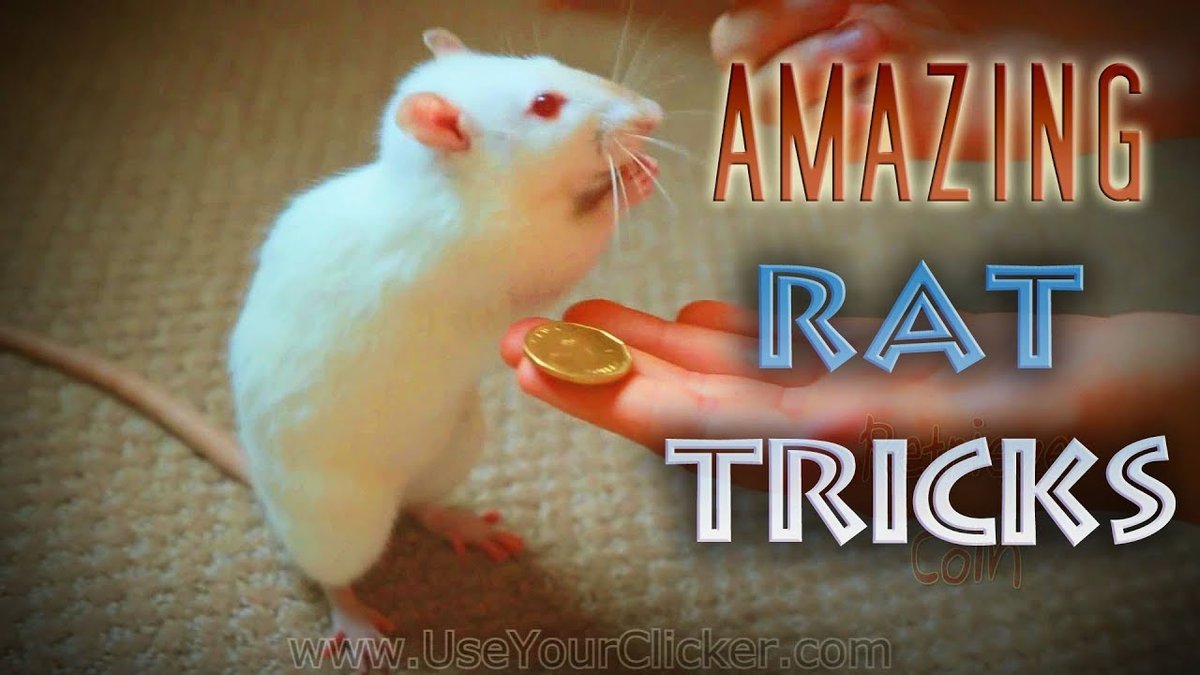
Rats: often underestimated, frequently misunderstood, and incredibly intelligent. If you've ever watched a rat solve a puzzle, navigate a maze, or simply demand your attention with an earnest stare, you know there's a quick mind at work. This innate cleverness makes Amusing Pet Rat Tricks & Training not just possible, but genuinely rewarding and one of the most enriching ways to bond with your whiskered companion. Forget dull drills; think engaging games that tap into their natural curiosity and desire to learn.
Ready to unlock your rat's hidden talents and turn everyday interactions into extraordinary moments? Let's dive into the world of positive reinforcement, delicious treats, and some truly impressive rodent acrobatics.
At a Glance: Your Quick Guide to Rat Training
- Smart & Eager: Pet rats are highly intelligent and curious, loving to learn new things.
- Positive Reinforcement: Always use treats and praise; never punishment.
- Short & Sweet: Keep training sessions brief, about 10-15 minutes, to maintain focus.
- Distraction-Free Zone: Train in a quiet area without other pets or loud noises.
- Patience is a Virtue: Some rats learn faster than others. Consistency trumps speed.
- Bonding Experience: Training deepens your connection and provides essential mental enrichment.
Why Train Your Rat? More Than Just Cute Party Tricks
Beyond the sheer delight of watching your tiny friend perform a trick, engaging in training sessions offers profound benefits for your pet rat. It's a powerful form of mental enrichment, preventing boredom and stimulating their sharp minds. Think of it as a daily brain game that keeps them engaged and happy.
Moreover, training is an incredible bonding experience. When you and your rat work together, building trust and communication through positive interactions, your relationship deepens significantly. It teaches your rat to focus on you, understand your cues, and even develops their confidence. Plus, let's be honest, it's just plain fun to show off your smart rodent's abilities to friends and family.
The Foundation of Rodent Genius: Understanding How Rats Learn
Pet rats are natural problem-solvers. They thrive on challenges and are driven by curiosity and, let's not forget, food! This makes them exceptionally quick to pick up new behaviors when paired with the right motivation. The key to successful rat training lies in understanding these core principles:
- Positive Reinforcement is Paramount: This is the golden rule. When your rat performs a desired action, immediately reward them with a high-value treat. This teaches them that doing X leads to Y (a yummy snack!). Never scold or punish your rat; it will only create fear and distrust, hindering their ability to learn.
- Treats are Your Currency: Find out what your rat loves most. Small pieces of cheerios, cooked pasta, sunflower seeds (in moderation), or tiny bits of fruit often work wonders. These "high-value" treats should generally be reserved for training sessions to keep them special and motivating.
- Consistency and Repetition: Rats learn through association. Repeating a command and action, followed by a reward, solidifies the connection in their minds. Daily practice, even for just a few minutes, is far more effective than infrequent, long sessions.
- Short and Focused Sessions: A rat's attention span is not endless. Aim for training sessions around 10 to 15 minutes. Beyond that, they'll likely lose interest or get distracted. It's better to end on a high note, leaving them eager for the next session.
- A Distraction-Free Zone: Choose a quiet, clean, and safe area for training. This means no other pets (including other rats initially, unless a very experienced rat is demonstrating), loud noises, or unnecessary objects that might capture their attention. A clear table or a designated training mat can work well.
- Patience and Empathy: Some rats are bolder, some more cautious. Some pick up tricks in days, others in weeks. Avoid frustration and celebrate small victories. Every rat is an individual, and the journey should be enjoyable for both of you.
Getting Started: Your Rat Training Toolkit
You don't need much to begin training your rat. The essentials are simple:
- High-Value Treats: As discussed, these are your primary motivators.
- A Quiet Space: Free from distractions.
- Optional: A Clicker or Sound Toy: A clicker can be an excellent tool for precision. The distinct sound, immediately followed by a treat, precisely marks the exact moment your rat performs the desired action, making it clearer for them what they're being rewarded for. If you don't have a clicker, a consistent verbal marker (like a sharp "Yes!") can work too.
Building Foundations: Essential Communication & Trust
Before you get into the fancy stuff, establishing clear communication is vital. The "Come When Called" trick is not just useful, it builds a powerful bridge of trust between you and your rat.
1. Coming To You When Called: The Ultimate Safety Net
Imagine your rat scurrying across the floor during playtime. A simple call of their name, and they come running to you! This trick is not only adorable but crucial for their safety and managing free-roam time.
How to Teach It:
- Start Close: Have a favorite, irresistible treat ready.
- The Cue: When your rat is nearby and looking at you, say their name (or click if using a clicker/sound toy) clearly.
- Reward Instantly: The moment they investigate your hand or move towards you, immediately offer the treat.
- Repeat and Expand: Practice this several times in quick succession. As they start to associate their name with the treat, gradually increase the distance between you.
- Consistency: Practice this daily in various safe environments. Soon, your rat will understand that their name means "come get a treat!"
- Timeframe: This can take anywhere from a few days to over a week, depending on the individual rat and consistent practice.
2. Teaching Your Pet Rat To Ride On Your Shoulder: A Trusty Companion
Once your rat trusts you and is comfortable being handled, riding on your shoulder is a delightful way to interact and carry them around.
How to Teach It:
- Start Seated: Begin while you are seated in a quiet, safe area. Gently place your rat on your shoulder, speaking softly and reassuringly.
- Immediate Reward: The moment they are on your shoulder, offer a highly desirable treat. This creates a positive association with being in that spot.
- Monitor for Comfort: Pay close attention to your rat's body language. Signs of fear might include chittering (teeth chattering), teeth grinding, or trying to escape. If they seem scared, keep sessions very short and reduce the time they spend on your shoulder, working up to it gradually.
- Short Sessions: Initially, keep these sessions brief. Rats will eventually need to relieve themselves, and you don't want accidents on your clothes!
- Treats to Prevent Boredom: Continue offering small treats periodically to keep them engaged and happy while on your shoulder.
- Gradual Movement: Once they're comfortable, you can slowly start to move a little while they're on your shoulder, always prioritizing their comfort and safety.
- Important Note: This trick is best suited for rats that are already very comfortable and bonded with you. Never force a rat that seems fearful.
Stepping Up: Basic Tricks for Budding Stars
With trust and communication established, you can move on to more structured tricks that showcase their agility and intelligence.
3. Training Your Pet Rat To Stand: The "Prairie Dog" Pose
The classic "stand up" is an adorable and relatively easy trick that often feels natural for curious rats.
How to Teach It:
- Distraction-Free Zone: Ensure you're in a quiet spot where your rat can focus.
- The Lure: Hold a treat slightly above your rat's head, high enough that they need to stand on their hind legs to reach it, but not so high that they jump.
- Command & Motion: As you lift the treat, say "Stand!" or "Up!" and make an upward motion with your hand.
- Instant Reward: The moment your rat's front paws come off the ground and they stand, immediately give them the treat and praise.
- Refinement: As they get the hang of it, gradually hold the treat higher to encourage a fuller, more sustained stand.
- Timeframe: Consistent daily practice often achieves this trick in about a week.
4. Shaking The Paw: A Friendly Greeting
Teaching your rat to "shake" or "give paw" is a charming trick that demonstrates their dexterity and your bond.
How to Teach It:
- Hold a Treat: Hold a treat just out of reach in one hand.
- Initiate Contact: With your other hand, gently touch or lightly tap one of your rat's front paws while saying "Shake!" or "Hand!"
- Immediate Reward: As soon as you touch their paw and give the command, immediately give them the treat. The goal is to associate the command and the feeling of their paw being touched with the reward.
- Encourage Active Participation: Over time, begin to delay the treat slightly. You want the rat to actively lift their paw or move it towards your hand when you say the command, rather than just reacting to your touch. Reward only when they make a genuine attempt to engage with your hand for the paw shake.
- Consistency is Key: Always use the same command word ("Shake" or "Hand") to avoid confusion.
Intermediate Adventures: Beyond the Basics
Once your rat has mastered some foundational behaviors, it's time to introduce more dynamic and challenging tricks that build on their natural athleticism and problem-solving skills.
5. Teaching Your Pet Rat To Jump: Leaping with Joy
Rats are surprisingly agile jumpers. This trick can be a lot of fun and a great way to build their confidence.
How to Teach It:
- Safe Landing Zone: Start with a low "jump." Place your rat on one soft pillow, and put another identical pillow right next to it, creating a small gap between them.
- The Lure: Hold a treat on the second pillow to capture your rat's attention and entice them to cross the gap.
- Command & Reward: As your rat attempts to cross (or makes a small jump), say "Jump!" firmly. Immediately give them the treat upon successful landing on the second pillow.
- Gradual Increase: Once they're comfortable with the small gap, slowly increase the distance between the pillows.
- Safety First: Always keep the landing surface soft and avoid training in high places where a missed jump could lead to injury. Pet rats can jump about 4 feet horizontally, but start small and safe.
6. Training Your Rat To Jump Through Hoops: The Circus Star
This is where your rat truly starts to look like a tiny circus performer! Jumping through a hoop is a wonderful display of their coordination.
How to Teach It:
- Choose the Right Hoop: Use a small, safe hoop, around 8 inches in diameter. An embroidery hoop works perfectly, just ensure it has no sharp edges.
- Low and Clear: Hold the hoop very close to the floor, almost resting on it, in a clear training area.
- Guide Them Through: Point to the other side of the hoop or gently nudge your rat through it. Have a treat waiting immediately on the other side.
- Instant Gratification: The moment your rat passes through the hoop, give them the treat and praise.
- Increase Difficulty Gradually: As your rat consistently goes through the hoop, slowly increase its height from the floor. You can also gradually increase the distance between you and the hoop, encouraging them to run and jump through it.
7. Teach Your Pet Rat To Weave The Poles!: An Agility Course
Weaving poles is a fantastic agility trick that mentally and physically stimulates your rat, showcasing their natural ability to navigate tight spaces.
How to Teach It:
- Set Up Your Course: Create a small course of poles. You can use wooden sticks, pencils, or even rolled-up cardboard tubes. Stick them into a base like styrofoam or a piece of heavy cardboard, ensuring they stand upright. Start with only 3-4 poles, widely spaced.
- Lure Through the Course: Hold a treat and guide your rat through each pole, making sure they weave in and out, alternating sides.
- Reward Completion: Give the treat immediately upon successfully completing the entire short course.
- Introduce a Command: Once your rat understands the physical movement, introduce a command word like "Weave!" as you guide them.
- Increase Complexity: As they become proficient, you can gradually increase the number of poles and slightly reduce the gaps between them.
Advanced Rat Missions: The Apex of Rodent Ingenuity
These complex tricks require more patience and build upon the foundational skills your rat has already learned. They are incredibly impressive and demonstrate the true depth of your rat's intelligence.
8. Playing Fetch With Your Pet Rat!: A Tiny Retriever
While it might sound like a dog's game, many rats can learn to fetch! This trick requires a chain of behaviors: picking up an object, bringing it back, and releasing it.
How to Teach It:
- Find the Perfect Object: Start by identifying a small, lightweight object your rat loves to interact with. This could be a crumpled paper ball, a tiny toy ball, or even a hairband.
- Encourage Interaction: Throw the object a short distance while your rat watches. Encourage them to go to it and interact.
- Introduce the Command: After a few repetitions of them going to the object, say "Fetch!" as you throw it.
- The Return: Once your rat picks up the object, call their name or "Come!" with a treat ready in your hand.
- Reward the Release: The instant they bring the object back to you and release it (or you gently take it from them), give them the treat and praise enthusiastically.
- Patience and Repetition: This is an advanced trick and will take several weeks of consistent, short sessions. Don't get discouraged if they don't immediately bring it back; focus on rewarding any step in the right direction (going to the object, picking it up).
9. Teach Your Pet Rat To Be A Rat Burglar!: The Ultimate Showcase
This is arguably the most complex and amusing trick you can teach a pet rat, combining several skills into one grand performance. It's best taught after your rat has mastered other basic grabbing and bringing behaviors. This is truly a hilarious rat moment when perfected!
How to Teach It:
- Part 1: Grabbing & Bringing (Foundation)
- Object Selection: Start with a folded dollar bill or a similarly sized piece of paper.
- Practice Fetch: Similar to the fetch trick, throw the folded bill a short distance.
- Reward for Return: When your rat grabs the bill and brings it back to you, immediately give a high-value treat. Repeat this many times until your rat consistently brings the bill back to your hand.
- Part 2: Opening the Wallet (The "Heist")
- Visible Bait: Place the folded dollar bill inside an open wallet, ensuring a portion of it is visible and easily grabbable by your rat.
- Encourage "Robbing": Guide your rat towards the wallet. As they grab the visible bill and bring it to you, treat them immediately.
- Gradual Concealment: In subsequent attempts, gradually close the wallet more and more, making the dollar bill slightly harder to access. Your rat will learn to nudge the wallet open or dig for the bill.
- Introduce a Command: Once they understand the concept, introduce a command like "Rob!" or "Money!" as you set up the scenario.
- Timeframe & Patience: This trick requires significant patience, potentially weeks or even months of dedicated training. Break it down into tiny, achievable steps, and celebrate every small success. Don't rush the process.
Troubleshooting Common Training Hurdles
Even the smartest rats can hit a snag. Here are common issues and how to navigate them:
- "My rat isn't motivated!"
- Solution: Are your treats high-value enough? Experiment with different snacks. Is your rat genuinely hungry, or just fed? Try training before their main meal.
- "They're too distracted."
- Solution: Re-evaluate your training environment. Is it truly quiet and free of other animals (including cage mates)? Sometimes, even your phone buzzing can break their focus.
- "My rat seems scared or anxious."
- Solution: Backtrack to basics. Focus on bonding and simple "come when called" exercises in a very safe space. Never push a fearful rat. Keep sessions extremely short and positive.
- "Accidents happen."
- Solution: Rats have short digestive tracts. Keep training sessions brief (10-15 minutes max) to reduce the likelihood of them needing to pee or poo during the session. If an accident occurs, simply clean it up without scolding.
- "They're just not getting it."
- Solution: Break the trick down into smaller, simpler steps. Are you rewarding the exact behavior you want? Is your timing of the treat immediate enough? Sometimes, taking a short break (a day or two) can also help reset.
Beyond Tricks: A Lifetime of Enrichment
Training isn't just about the tricks themselves; it's about fostering a deeper understanding and relationship with your pet. Once you've mastered a few tricks, remember that continuous learning is vital for their well-being.
- Vary Your Routine: Keep things fresh by teaching new tricks or revisiting old ones.
- Puzzle Toys: Offer puzzle feeders or DIY enrichment toys that require your rat to problem-solve for treats.
- Free-Roam Time: Provide safe, supervised free-roam time outside their cage, where they can explore and use their natural curiosity.
- Cuddle and Play: Remember that simply interacting, cuddling, and free-play are just as important for their happiness and your bond.
Your Rat Training Journey: A Rewarding Bond Awaits
Embarking on the journey of Amusing Pet Rat Tricks & Training is an incredibly rewarding experience. You'll not only marvel at your rat's intelligence but also forge an unbreakable bond built on trust, communication, and shared fun. Remember, consistency, patience, and a pocket full of their favorite treats are your best allies.
So, gather your treats, find a quiet corner, and prepare to be amazed by what your smart rodent can achieve. Every click, every treat, and every successful trick deepens the connection with your tiny companion, proving that even the smallest creatures can bring the biggest joys. Enjoy the process, celebrate the successes, and cherish every moment with your brilliant pet rat!