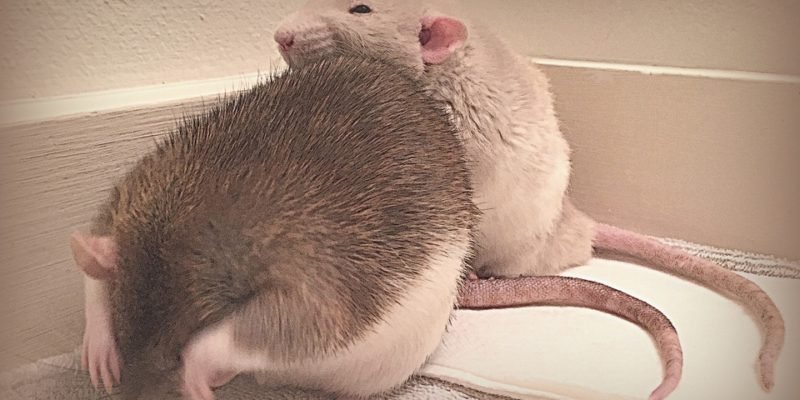
When you welcome a pet rat into your home, you're not just getting a small animal; you're adopting a tiny, four-legged comedian. These intelligent, social creatures are renowned for their personalities and a surprising repertoire of Funny Pet Rat Behavior & Antics that will keep you endlessly entertained. From daring food heists to spontaneous bursts of joy, understanding these quirky habits deepens your bond and helps you appreciate the true character of your whiskered companions.
At a Glance: Your Rat's Hilarious World
- Joyful Jumps & Zoomies: Rats express happiness through "popcorning" and energetic sprints.
- Master Thieves: They're expert at pilfering treats and rearranging their environment.
- Playful Wrestling: Watch for their elaborate, often clumsy, play-fights.
- Boggling & Bruxing: A clear sign of contentment and relaxation.
- Individual Comedians: Each rat develops a unique personality that shines through their antics.
- Behavioral Clues: Their funny actions often carry deeper meanings about their health and happiness.
The Unrivaled Charm of Rat Antics: Why They Make Us Laugh
Anyone who's shared their home with a pet rat will tell you: these aren't your average quiet rodents. They are bundles of personality, intelligence, and often, sheer comedic genius. Their brains are surprisingly complex, leading to behaviors that are not only endearing but frequently laugh-out-loud funny. From their intricate problem-solving skills, often deployed to swipe a piece of your dinner, to their elaborate social rituals, every day with a rat is an adventure in amusement.
Understanding these funny behaviors isn't just about entertainment; it’s a window into their world, allowing you to gauge their happiness, comfort, and overall well-being. A happy rat is an active, curious, and often silly rat. Ignoring their antics would mean missing out on some of the richest parts of pet rat ownership, and truly, all about funny rats revolves around observing these delightful quirks.
Decoding the Drama: What Your Rat's Funny Business Really Means
While many rat antics are simply expressions of joy or natural curiosity, it's helpful to understand the context behind their humorous displays. Is your rat genuinely playful, seeking attention, or perhaps engaging in a natural instinct? Often, what looks like mere silliness is a complex interplay of instinct, intelligence, and social signaling. Paying attention to these nuances will help you better appreciate their individual characters and respond appropriately.
Their body language, though subtle, speaks volumes. Ears forward and relaxed, whiskers twitching rapidly, and an overall fluid movement often indicate curiosity and engagement. On the other hand, hunched postures, puffed fur, or stiff movements might hint at stress or discomfort, even if the action appears superficially "funny." Learning to read these signals is key to a harmonious relationship. For more on this, you might explore resources on interpreting their subtle cues.
The Art of the Rat Heist: Masters of Misdirection and Pilfering
If you own rats, you've likely experienced it: the sudden disappearance of a sock, a pen, or even a piece of food right off your plate. Pet rats are, without a doubt, master thieves. Their tiny, dexterous paws and lightning-fast movements make them surprisingly effective at pilfering objects of interest, especially anything edible.
They don't just steal; they strategize. A rat might pretend to be engrossed in cleaning itself, only to make a sudden dash for your dropped crumb of toast. They'll use tunnels, bedding, and even their cage-mates as cover, often looking completely innocent as they waddle away with their illicit gains tucked into their cheek pouches. This behavior, while sometimes frustrating (especially when it's your car keys they've hidden), is a testament to their intelligence and natural foraging instincts. They're not being malicious; they're simply being rats, driven by a deep-seated urge to collect and stash valuable resources. Providing them with ample creative enrichment solutions can sometimes redirect this thieving energy into more appropriate channels.
Zoomies, Popcorning, & Boggling: Expressions of Pure Rat Joy
Some of the most overtly funny and heartwarming rat behaviors are those that signal pure, unadulterated happiness. These aren't just cute; they're physical manifestations of a deeply content rat.
- The Zoomies: Just like dogs, rats get the "zoomies." These are sudden, unpredictable bursts of speed where they race around their cage or play area, often in frantic circles or figure-eights, sometimes accompanied by leaps and bounds. It's an explosion of pent-up energy and excitement, often triggered by a fresh cage setup, a new toy, or simply feeling fantastic.
- Popcorning: This delightful behavior gets its name because it looks like a kernel of popcorn popping. A rat will suddenly jump straight up into the air, sometimes twisting or kicking its legs out. It’s a clear indicator of extreme joy and exhilaration, often seen in young, very happy rats, or when they're particularly excited during playtime.
- Boggling: Perhaps the most unique and utterly charming display of rat happiness is boggling. When a rat is extremely content, usually while being petted or groomed, their eyes will rapidly pulsate in and out of their sockets. This isn't a sign of distress; it's caused by the powerful muscles rats use for grinding their teeth (bruxing) pressing on their eyeballs. It looks bizarre, but it's a profound sign of a happy, relaxed rat.
- Bruxing: Often accompanying boggling, bruxing is when a rat grinds its teeth together. Unlike other animals where this might signal stress, in rats, a soft, purring-like bruxing is a sign of contentment and relaxation. If you hear a loud, harsh bruxing, however, it might indicate pain or fear, so context is key.
These joyful expressions are often the result of a stimulating environment, nutritious food options (see more at nutritious food options), and plenty of positive interaction.
Rat Personalities in Action: More Than Just a Squeak
One of the most captivating aspects of pet rats is their distinct individual personalities. Just like humans, no two rats are exactly alike, and these differences manifest wonderfully in their funny behaviors.
You might have a bold explorer who fearlessly scales every surface and is the first to investigate any new scent. Then there's the mischievous prankster who delights in stealing your glasses right off your face or pushing cage-mates off hammocks. Some rats are shy observers, preferring to watch the chaos from a safe distance before cautiously joining in, often with a subtle, dry wit in their movements. Others are affectionate cuddle bugs who will melt into your hand, occasionally boggling their eyes in blissful contentment.
These individual quirks contribute immensely to the humor of owning rats. A group of rats will often develop complex social dynamics, leading to hilarious power struggles over prime napping spots, elaborate games of chase, or synchronized grooming sessions that devolve into playful wrestling. Observing these interactions reveals a rich tapestry of social intelligence and individual character that goes far beyond what many expect from a small rodent.
Avoiding the Pitfalls: When "Funny" Isn't Funny Anymore
While most funny rat behaviors are harmless and delightful, it's crucial to distinguish between genuine antics and signs of distress, illness, or problematic behavior. Sometimes, what might initially seem quirky could be a subtle indicator that something is amiss.
- Playful Nipping vs. Aggression: Young rats often "play bite" during wrestling, which is usually soft and doesn't break the skin. However, if a rat is biting hard, causing injury, or displaying aggressive postures (puffed fur, side-swiping, crab-walking), it's not funny; it's a sign of fear, territoriality, or pain. This requires careful observation and potentially professional intervention.
- Destructive Chewing vs. Normal Gnawing: Rats need to chew to keep their teeth trimmed. Providing safe chew toys and cardboard is essential. But if your rat is obsessively chewing cage bars, furniture, or wires, despite having appropriate chew items, it might indicate boredom, stress, or even dental pain. It's "funny" when they carry off a toilet paper roll, less so when they're dismantling your baseboards.
- Excessive Hiding/Lethargy: While a rat might sometimes hide to sleep, prolonged lethargy, a lack of interest in play, or unusual hiding could be signs of illness. A rat that's usually energetic and suddenly quiet isn't being "calm"; it might be unwell. Always be attentive to changes in their typical activity levels. For a deeper understanding, learn to recognize signs of distress in your pets.
- "Silly" Respiratory Noises: Rats are prone to respiratory infections. If you hear persistent sneezing, wheezing, or "porphyrin" (red discharge) around their eyes and nose, it's not a funny quirk. It's a sign they need veterinary attention.
Always err on the side of caution. If you're unsure whether a behavior is normal or problematic, consult a vet experienced with rats.
Cultivating Comedy: Encouraging Healthy, Amusing Behaviors
You can actively foster an environment where your rats feel safe, happy, and free to express their hilarious personalities. A stimulated rat is a happy, playful, and often comical rat.
- Enrichment is Key: Provide a constantly changing array of safe and stimulating toys like cardboard tubes, small boxes, ropes, ladders, and dig boxes. Rotate them regularly to keep things fresh. This encourages their natural curiosity and provides outlets for their energy, leading to more spontaneous zoomies and playful explorations.
- Interactive Playtime: Dedicate time each day for out-of-cage play. Create obstacle courses, hide treats for them to find, or simply let them explore a rat-proofed room. Your interaction encourages bonding and provides ample opportunities for you to observe (and laugh at) their antics.
- Socialization: Rats are highly social animals and thrive in groups of two or more. A single rat, no matter how much human attention it receives, can become lonely and depressed, which suppresses their natural playful behaviors. The dynamic between multiple rats amplifies their antics and social comedy.
- A Safe Haven: Ensure their cage is large enough, clean, and provides plenty of hiding spots, hammocks, and levels. A comfortable and secure environment makes them feel safe enough to be silly and expressive.
- Healthy Diet: A well-balanced diet contributes to a rat's overall health and energy levels. Just like in humans, good nutrition helps maintain a positive mood and vitality, which translates into more playful antics.
By providing for their physical and mental needs, you're not just ensuring their health; you're setting the stage for a lifetime of entertaining moments.
Common Questions About Rat Antics
Why do my rats "fight" so much? Is it real?
Often, what looks like fighting between rats is actually play-fighting or "wrestling." Young rats, especially males, will tumble, pin each other, and chase relentlessly. This is crucial for developing social skills and establishing hierarchy. You'll know it's play if there's no visible injury, no loud squealing of distress (some excited squeaks are normal), and they often take turns being "on top" or grooming each other afterward. Real fights are characterized by puffed fur, crab-walking, side-swiping, loud shrieks of pain, and actual biting that breaks the skin.
Is it normal for them to stash all my socks (or keys, or pens)?
Absolutely! This is a classic rat antic. Rats are natural hoarders, driven by an instinct to create stashes of resources. Your socks might not be food, but they're soft, interesting, and easy to carry. It's a sign of a healthy, curious rat using its natural instincts. Just make sure the items they stash aren't valuable or dangerous.
Do rats really laugh?
While rats don't "laugh" in the human sense with vocalizations, studies have shown they emit high-frequency ultrasonic vocalizations (USVs) when tickled or during play. These "chuckles" are inaudible to the human ear without special equipment but indicate a positive emotional state. So, yes, in their own way, they express joy that's akin to laughter!
How can I film their funny moments?
Patience is key! Have your phone or camera ready during playtime. Rats are most active in the early morning and evening, so these are prime times. Try setting up a "rat cam" in their play area. Focus on areas where they forage or play together. Sometimes, the funniest moments are unexpected, so just be observant. Avoid using a flash, which can startle them.
Embrace the Mayhem: Your Guide to a Joyful Rat Life
Living with pet rats is an experience filled with unexpected joys and constant amusement. Their funny behaviors and antics are not just superficial quirks; they are deep reflections of their intelligence, social nature, and individual personalities. By understanding why your rat zooms, boggles, or cunningly steals your pen, you gain a deeper appreciation for these remarkable animals.
Embrace the chaos, delight in their mischief, and provide them with the love, care, and stimulation they need to truly flourish. The bond you'll form with these tiny, funny creatures is unlike any other, promising a lifetime of laughter and heartwarming moments. So, next time your rat performs a daring food heist or spontaneously "popcorns" across the room, take a moment to savor the pure, unadulterated joy that only a pet rat can bring.