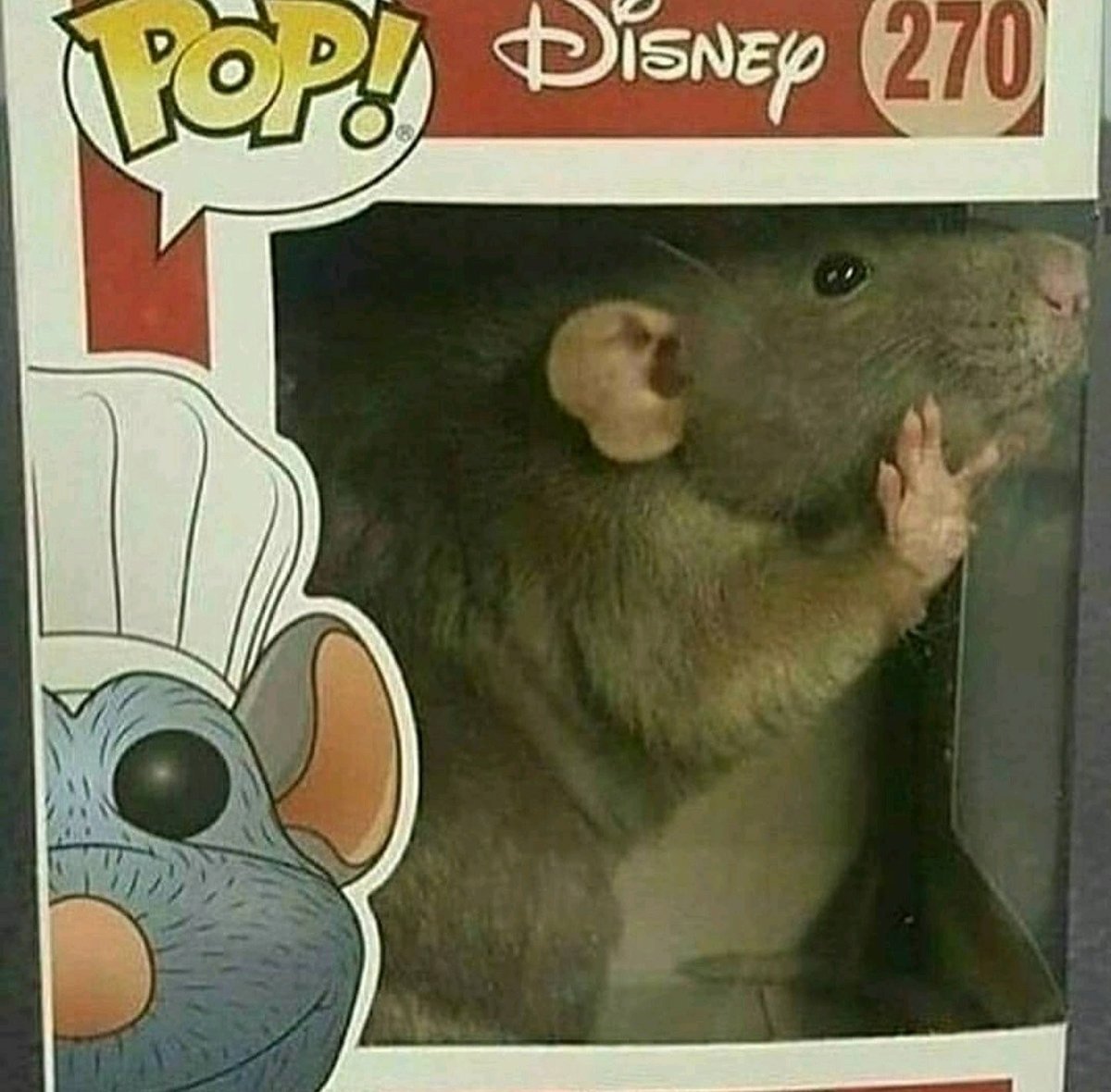
Remember when the mere mention of a rat sent shivers down most people's spines? From terrifying tales in the cellar to unwanted guests in the kitchen, rats have long held a less-than-stellar reputation. But then something shifted. The internet, with its boundless capacity for surprise and subversion, introduced us to a new kind of rat: the internet darling. Suddenly, "Pet Rat Memes & Viral Content" became a thing, transforming these often-misunderstood rodents into unlikely celebrities, spreading joy and changing perceptions one viral post at a time. It’s a remarkable transformation, showcasing how humor and relatability can turn any creature, no matter how maligned, into a source of endless online fascination.
At a Glance: What Makes Pet Rat Memes Go Viral?
- Unexpected Charm: Pet rats defy stereotypes with their intelligence, social nature, and surprising cuteness.
- Relatability: When rats act "human," like showering or lifting weights, it creates instant, shareable humor.
- Pop Culture Foundation: Characters like Remy (Ratatouille) and Splinter (TMNT) paved the way for positive rat associations.
- Misinformation & Myth-Busting: Some viral content, like the "shower rat," reveals fascinating truths about other rodents.
- Community Power: Pet rat enthusiasts actively create and share content, fostering a global appreciation.
- Accessible Content Creation: Short, engaging videos and photos are easy to produce and consume, perfect for modern platforms.
From Pest to Pixel Star: The Unlikely Rise of Rat Internet Fame
For centuries, the narrative around rats has been overwhelmingly negative. They're often depicted as carriers of disease, symbols of decay, and the bane of urban existence. Indeed, wild rats (and their smaller cousins, mice) are categorized as rodents and can certainly be considered infestations when they invade our spaces. Their larger size compared to mice often makes them even more intimidating. Yet, juxtaposed against this long-standing fear is a vibrant, growing online community that sees rats in an entirely different light: as intelligent, affectionate pets and, more recently, as the stars of some of the internet’s most engaging viral content.
This shift didn't happen overnight. Positive portrayals in media played a crucial role. Think about Remy from Disney's "Ratatouille," a rat with a refined palate and a dream of becoming a chef. Remy brought a level of sophistication and aspirational charm to rats that few characters ever had. Then there’s Splinter, the wise, martial-arts-master sensei from Teenage Mutant Ninja Turtles, who adopted and trained four young turtles, showcasing loyalty and profound wisdom. These characters began to chip away at the monolithic "pest" image, opening the door for people to consider the possibility that rats might not be so bad after all. The internet, with its democratic nature and penchant for the quirky, simply accelerated this perceptual evolution, turning pet rats into digital darlings and driving a whole new wave of viral content.
Decoding the Charm: Why Pet Rat Memes Go Viral
So, what exactly makes a video of a rat performing a tiny trick or a meme featuring a rat in a hilarious scenario explode across your feed? It boils down to a fascinating mix of unexpected adorableness, relatability, and a dash of internet-specific magic.
The "Unexpected Adorableness" Factor
Let's be honest: many people approach rats with preconceived notions of sliminess or aggression. Pet rats, however, consistently surprise. They are incredibly clean animals, meticulously grooming themselves. They're highly intelligent, capable of learning tricks, solving puzzles, and responding to their names. Their small, dexterous paws, curious whiskers, and often gentle demeanor in a domestic setting directly contradict the wild rat stereotype. When people see a pet rat gently taking a treat, cuddling with its owner, or even painting a tiny picture, it creates a powerful cognitive dissonance – an "aww" moment that’s amplified by the unexpectedness. This element of surprise is a potent ingredient for virality.
Relatability & Anthropomorphism: Seeing Ourselves in Whiskers
One of the strongest drivers of viral pet content is anthropomorphism – attributing human characteristics or behaviors to animals. Pet rats are exceptionally good at this. Their intelligence and dexterity mean they can be trained to perform complex tasks, or they might simply appear to be doing something very human-like. A rat holding a tiny umbrella, seemingly "showering," or even just appearing to ponder life’s great mysteries can instantly resonate with viewers. We project our own experiences, emotions, and humor onto these tiny creatures, making their actions feel incredibly relatable and, therefore, shareable. It’s less about how complex the rat’s behavior actually is, and more about how much we can interpret it through a human lens.
Subversion of Expectations: The Comedy of the Unlikely
Humor often stems from the unexpected. The very idea of a rat as a beloved, meme-worthy creature is inherently subversive given its traditional image. This unexpectedness fuels much of the humor. A "gym rat" meme showing an actual rat lifting tiny weights is funny precisely because it takes a common human phrase and applies it literally and absurdly to an animal typically associated with anything but physical fitness. This play on words and images, turning a negative or neutral association into something genuinely amusing, captures attention and encourages sharing.
The Power of Short-Form Video
Platforms like TikTok, Instagram Reels, and YouTube Shorts are perfectly designed for the kind of quick, impactful content that pet rat memes excel at. A 15-to-60-second clip of a rat navigating a miniature obstacle course, stealing a piece of food in a comically elaborate way, or simply enjoying a head scratch can deliver a powerful emotional punch (humor, cuteness, surprise) in a very short timeframe. This ease of consumption and the algorithms that favor rapid sharing contribute significantly to how quickly pet rat content spreads, turning individual clips into global phenomena.
Iconic Rat Memes and Viral Sensations: A Hall of Fame
The internet is a vast museum of fleeting trends and enduring legends, and rats have secured their place in its hallowed halls. From misidentified bathers to pizza connoisseurs, here are some of the most memorable rat-related viral sensations.
The "Shower Rat" Debacle: Soap, Not Suds
Perhaps one of the most famous, and famously misunderstood, viral rodent videos was the "rat in shower" meme. It depicted a small, furry creature standing upright in a shower, seemingly scrubbing itself with soap. The internet exploded with awe, disgust, and amusement. People were convinced they were witnessing a rodent's meticulous personal hygiene routine.
However, the truth, as it often is, was far more fascinating. Jose Correa from Peru, who discovered the animal, filmed it trying to remove soap from its fur, not enjoying a leisurely shower. Furthermore, it wasn't even a rat! Experts quickly identified the creature as a pacarana, a large rodent native to South America, distinct from common rats. This meme became a powerful lesson in internet virality: things aren't always what they seem, and context is everything. Yet, the image of a rodent in a shower remains iconic, even if scientifically inaccurate.
Pizza Rat: The NYC Icon
Few viral moments capture the gritty charm of New York City quite like "Pizza Rat." In 2015, a video surfaced showing a rat dragging an entire slice of pizza down a flight of subway stairs. It was audacious, determined, and utterly relatable for anyone who’s ever craved a late-night slice. Pizza Rat wasn't cute, necessarily, but it embodied a certain plucky, urban survival spirit. The meme quickly spread, becoming a symbol of NYC's unique ecosystem and the shared, often absurd, daily experiences of its inhabitants. It solidified the rat's place as a reluctant, yet celebrated, urban legend.
Gym Rat: Lifting Tiny Weights and Spirits
The term "gym rat" has long been used to describe someone dedicated to their fitness routine. The internet, however, took this idiom literally. Memes featuring actual rodents "lifting" tiny barbells or running on miniature treadmills became incredibly popular. These usually involve clever staging with pet rats and miniature props, playing on the anthropomorphic humor that makes rats so appealing online. It's a prime example of how language, visual gags, and the unexpected pairing of an animal with a human concept can create pure gold.
Remy, the Culinary Maestro: A Ratatouille Renaissance
We've already touched upon Remy, but his influence on pet rat memes and general perception is so profound, he deserves a spotlight. The Disney/Pixar film "Ratatouille" presented a rat as intelligent, ambitious, and clean – a far cry from the usual kitchen pest. Remy made it okay, even cool, to think of rats in a positive light. His positive association with kitchens, a place where rats are traditionally abhorred, directly challenged stereotypes and paved the way for the acceptance and love of pet rats, indirectly fueling the creation of adorable content that shows rats in unexpected, charming roles.
Splinter, the Wise Sensei: Teenage Mutant Ninja Turtles
Another pivotal pop culture figure is Splinter, the mutated rat sensei from Teenage Mutant Ninja Turtles. As the adoptive father and martial arts master to the four turtles, Splinter embodies wisdom, patience, and fierce loyalty. He’s a heroic, benevolent figure who further counters the negative rat stereotype. His image has been leveraged in memes that highlight wisdom, mentorship, or unexpected sources of guidance, often with a humorous twist.
Chuck E. Cheese: The Mascot You Can't Unsee
While not a "meme" in the traditional sense, Chuck E. Cheese, the anthropomorphic rat mascot of the popular family entertainment center, is an enduring pop culture figure that often sparks discussion and humorous takes. For many, the idea of a giant rat entertaining children is either nostalgic, slightly unsettling, or just plain weird. This mixed reaction makes Chuck E. Cheese a recurring subject in internet culture, often appearing in ironic or humorous contexts that play on the general public's evolving relationship with rats.
Naked Mole Rat: The Peculiar Pioneer
The "naked mole rat" meme focuses on a creature that is, by all accounts, quite unusual in appearance. Its hairless, wrinkly body and prominent teeth make it look like something out of a sci-fi movie. Memes often highlight its unique physiology or use its image to represent awkwardness, something unappealing, or simply to marvel at the diversity of nature. While not a "pet rat," its distinctive look makes it ripe for internet fodder, demonstrating that even the strangest rodents can find their niche in the meme ecosystem.
The "Rat Race" Redefined: A Literal Take
Similar to "gym rat," memes about the "rat race" often literally depict rats running in wheels or through mazes, offering a humorous, literal interpretation of the human struggle for success. These memes resonate because they comment on the absurdity of modern life, using the rat's endless pursuit as a relatable metaphor for our own daily grind. When considering the vast landscape of rodent-centric humor, you quickly realize there's a huge world of content out there, spanning all things funny rat, from the absurd to the genuinely heartwarming.
"Dead Rat" Memes: Humor in the Macabre (Often Absurdist)
This category is a bit darker, often playing on morbid humor or absurd situations rather than direct depiction of harm. These memes rarely involve actual deceased animals in a disrespectful way. Instead, they might use cartoon rats, surreal imagery, or text-based jokes to comment on unfortunate events, "moods," or ironic situations. For example, a "dead rat" meme might ironically represent feeling utterly drained after a long week. It leans into the internet's capacity for dark humor and the ability to find comedy in the most unexpected (and sometimes twisted) places, carefully sidestepping animal cruelty to focus on the absurd.
Your Rat, the Next Internet Sensation? Crafting Viral Content
So, you have a pet rat, or several, and you're convinced they have star potential. How do you harness their charm and turn them into viral sensations? It's part art, part science, and a whole lot of patience.
Finding the "Spark": What Makes Your Rat Unique?
Every pet rat has a personality. Does yours meticulously groom its cage? Does it steal food with theatrical flair? Is it unusually affectionate, playful, or a master of obstacle courses? Observe your rats. The most viral content often highlights a unique personality quirk or a surprising behavior that makes viewers stop scrolling. Don't force it; let their natural charm shine through.
Photography & Videography Tips for Pet Rats
Creating high-quality content doesn't require professional gear, but a few basics go a long way:
- Good Lighting: Natural light is your best friend. Shoot near a window or outdoors (safely, in an enclosed space). Avoid harsh direct sunlight or dark, grainy footage.
- Clear Focus: Keep your rat in sharp focus. Modern smartphone cameras do a great job with this, especially in portrait mode for photos or by tapping on the screen to focus during video.
- Capture Natural Behavior: Don't constantly interrupt your rat. Set up your camera and let them do their thing. The most authentic moments are often the most engaging.
- Treats as Motivators (Sparingly): Small, healthy treats can encourage your rat to stay in a certain area or perform a desired action. Use them as rewards, not as bribes for endless takes.
- Angle and Perspective: Get down to their level. Shooting from a rat's eye view can make the content more immersive and unique.
- Short & Sweet: For viral content, shorter is usually better. Focus on one engaging action or cute moment per clip.
Leveraging Trends & Sounds
The internet moves fast. Keep an eye on trending sounds, challenges, and meme formats on platforms like TikTok. Can you adapt a popular trend to feature your rat? For example, a sound about being "caught in 4K" could be hilarious when paired with your rat trying to discreetly steal a forbidden snack. Using trending audio or participating in popular challenges can significantly boost discoverability.
Storytelling: Even a Short Narrative Helps
Even a 15-second video can tell a mini-story. A clear beginning, middle, and end, however simple, makes content more engaging.
- Beginning: Rat sees treat.
- Middle: Rat performs elaborate maneuver to get treat.
- End: Rat enjoys treat (or gets caught!).
This narrative arc, however brief, gives viewers a reason to watch through to the end.
Platform Specifics
- TikTok/Reels: Prioritize short, fast-paced, music-driven clips. High energy and quick cuts work well.
- Instagram: Focus on aesthetic quality for photos. Reels for short videos, carousels for multi-image stories.
- YouTube: Ideal for longer compilations, "day in the life" videos, training progress, or detailed educational content about pet rats.
Ethical Considerations: Rat Welfare Comes First
While chasing virality, your pet's well-being must always be the top priority.
- No Forced Behavior: Never force your rat into uncomfortable or stressful situations. Content should be created from their natural actions or gentle, positive-reinforcement training.
- Safe Environments: Ensure any props or environments are safe for your rat. No small parts they can swallow, no toxic materials, no dangerous heights.
- Avoid Distress: If your rat shows signs of stress (hunched posture, teeth grinding, freezing), stop immediately.
- Accurate Representation: If your content aims to be educational, be truthful about rat behavior and care.
Beyond the Laughs: Pet Rats as Companions and Ambassadors
While the memes are certainly entertaining, they also serve a larger purpose: shining a light on pet rats as incredible companions. Beyond the funny videos, there’s a deeper appreciation for these small animals that viral content often sparks.
Pet rats are remarkably intelligent, often compared to dogs in their ability to learn and form bonds. They are highly social, thriving on interaction with their human families and fellow rats. Their trainability is impressive; many owners teach their rats to come when called, perform tricks, or even navigate complex mazes. This intellectual and emotional depth makes them far more than just "funny meme fodder"—they are sophisticated, loving pets.
Viral content, by showcasing the charming and unexpected aspects of pet rats, acts as a powerful ambassador. It subtly (or not-so-subtly) debunks common myths:
- Myth: Rats are dirty. Reality: Domestic rats are meticulous groomers and extremely clean animals. Their cages, however, need regular cleaning by owners.
- Myth: Rats are aggressive. Reality: Well-socialized pet rats are typically docile and affectionate, enjoying cuddles and interaction.
- Myth: Rats carry diseases. Reality: While wild rats can, pet rats bred in captivity are generally very healthy and pose no more risk than any other common household pet.
By inspiring curiosity and challenging negative stereotypes, pet rat memes can motivate people to learn more about responsible pet ownership, potentially leading to loving homes for these wonderful creatures.
Common Misconceptions About Rats (and Their Memes) Cleared Up
The world of pet rat memes, while fun, can sometimes blur lines or perpetuate misunderstandings. Let's clear up some common questions and misconceptions.
Are all "rat memes" actually rats?
Absolutely not! The most famous example is the "shower rat," which was actually a pacarana, a different species of large rodent found in South America. While many viral videos do feature actual pet rats, it's worth remembering that "rodent" is a broad category. Always take viral content with a grain of salt and enjoy it for its entertainment value rather than its scientific accuracy.
Are pet rats dirty or dangerous?
This is perhaps the biggest misconception. Domestic pet rats are selectively bred, socialized, and very different from wild rats. They are incredibly clean animals that spend hours grooming themselves, and they are generally very friendly, intelligent, and affectionate towards their human companions. They are not dangerous; bites are rare and typically only occur if a rat is severely frightened or in pain.
Is it cruel to make rats do "tricks" for memes?
Ethical content creation prioritizes the animal's welfare. If a rat is genuinely enjoying the interaction, is not stressed, and is learning through positive reinforcement (like treats), then it's no different from training a dog or cat. It becomes cruel if the rat is forced, frightened, or put in dangerous situations for the sake of a video. Responsible pet rat owners always ensure their pets are happy and safe.
Do memes glorify pests or encourage people to keep wild rats?
No, pet rat memes overwhelmingly celebrate domesticated pet rats, which are distinct from wild rats. The content often highlights the unique bond between humans and their pet rodents. There's a clear understanding that while pet rats are wonderful companions, wild rats can indeed be pests and should not be brought into a home. The humor often comes from subverting the "pest" image, not promoting it.
The Future of Pet Rat Viral Content: Always Evolving
The internet's love affair with pet rats shows no signs of waning. As more people discover the joy of keeping these intelligent, affectionate companions, the volume and creativity of pet rat memes and viral content will only continue to grow. We'll see new trends, new "stars," and new ways to celebrate all things funny rat online.
The enduring appeal lies in the unique blend of unexpected cuteness, relatable humor, and the genuine charm of these fascinating animals. So, next time you see a rat scurrying across your screen, don't just scroll past. Take a moment to appreciate the internet's newest viral sensation—the pet rat—and perhaps even consider what unique, hilarious, or heartwarming moment your own rat might offer the world. Embrace the unexpected, share the joy, and help continue the transformation of the humble rodent into an undeniable internet star.